
Matter 2 Motion

Design Perspectives on the Evolving Culture of Mobility


This course was closely aligned with the 2024 RIMOWA Design Prize, which placed mobility at its thematic core. Over the course of the semester, students engaged deeply with mobility as a multifaceted cultural and societal condition rather than merely a question of transportation. The initial prompts—questioning real needs, perceived desires, and the mental and aesthetic dimensions of movement—proved to be a productive foundation for a wide range of design responses. 

On a macro level, students explored ecological, social, and political tensions, including the gap between collective awareness and individual behavior. On a micro level, they examined personal routines, irritations, and aspirations to identify relevant challenges. The resulting projects span practical product concepts, behavioral interventions, systemic strategies, and speculative proposals that rethink what mobility could mean in contemporary life. 

Many outcomes highlight that mobility encompasses not only technical solutions but also psychological, cultural, and experiential layers, and that meaningful innovation often begins with questioning everyday habits. A series of 1:1 prototypes emerged from the process, offering tangible expressions of new mobility scenarios while proposing alternative ways of acting, navigating, and relating within our built and social environments.

Institute
Dessau Department of Design

Students
Leo Altmann, Philippe Wassenberg, Angelicka Barbie, Sarah Eckerlein, David Junghanns, Hendrik Quastenberg, Helena Luise Kluge, Joan Leonie Prange, Maria Vacca Acero, Christine Bernauer, Tabea Bommer, Tini Domel, Nicole Grimm, Janne Kreimer, Megi Loci, Carlos Pozo, Sofia Stateczny, Sara Suchantke

Supervision
Prof. Dr. Manuel Kretzer
Prof. Nicolai Neubert


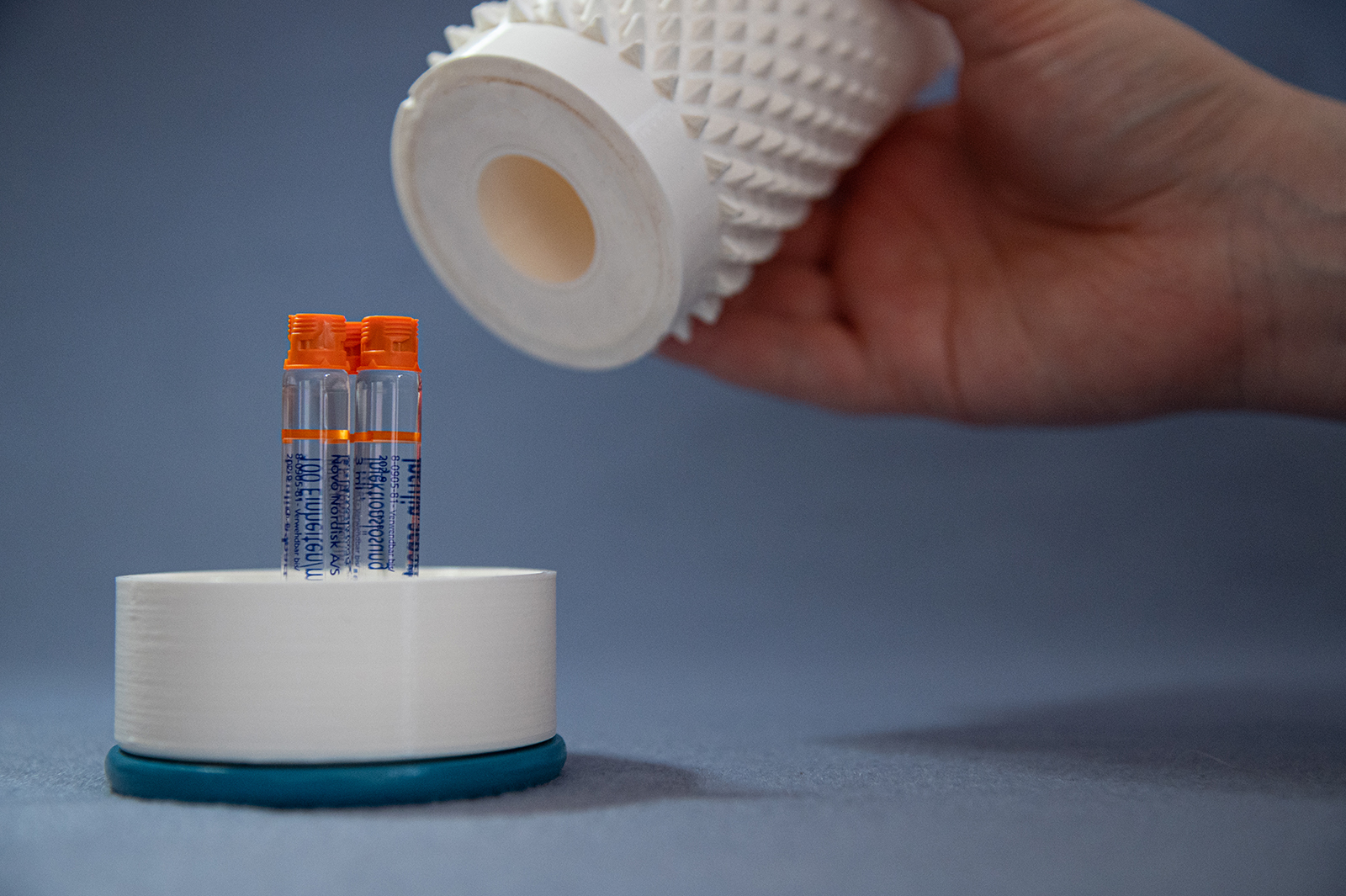
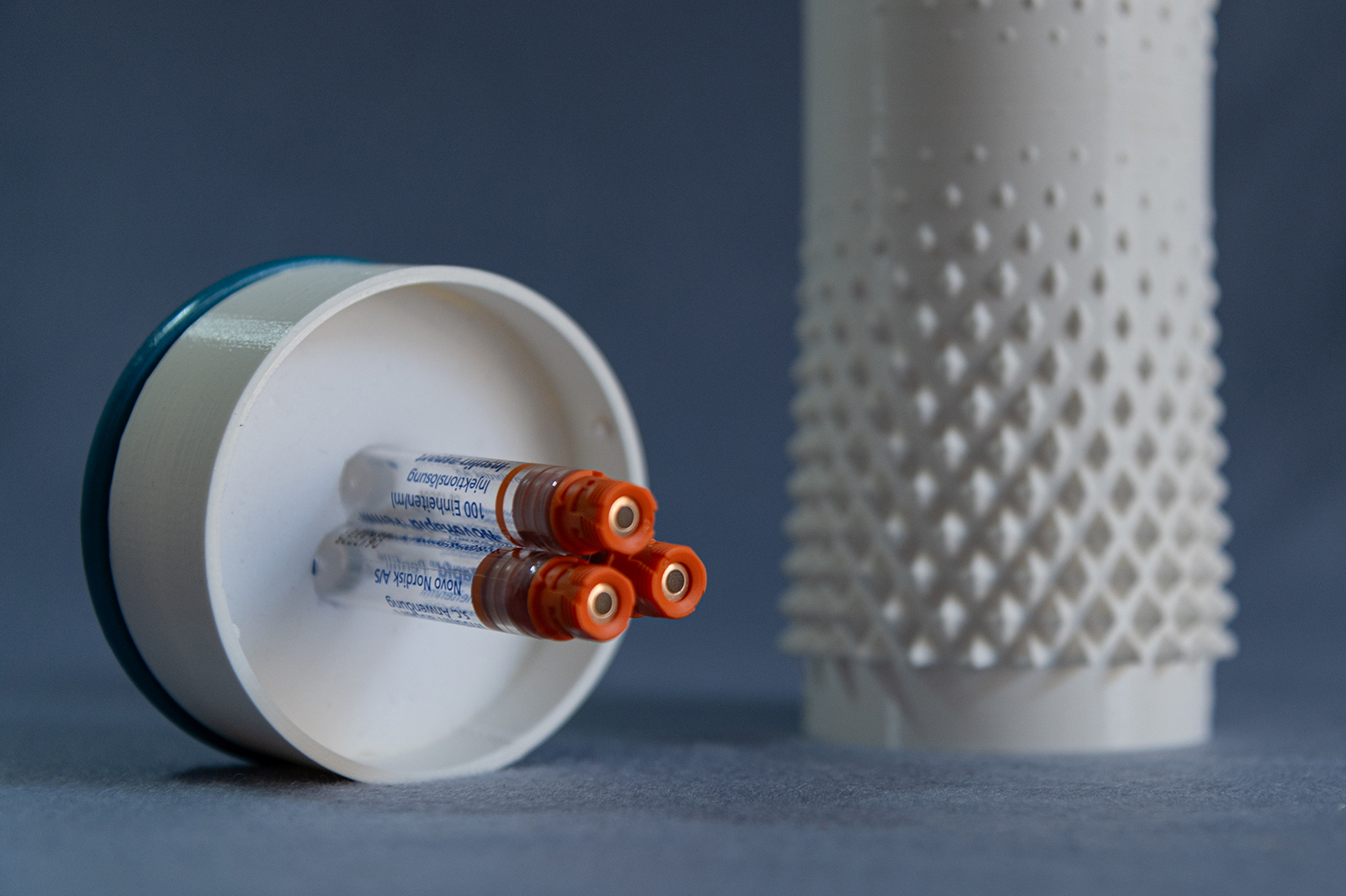
DARIO is a portable insulated bottle with an integrated, impact-protected insulin compartment at its base, allowing safe, temperature-stable storage without external cooling. A thermochromic surface indicates when the liquid needs to be replaced, making temperature control intuitive. By using cold water or chilled drinks—also serving as emergency carbohydrates in case of hypoglycemia—DARIO provides a practical everyday solution for diabetics on the move. Made from recycled polyethylene and recycled foam, the container combines effective insulation with environmentally responsible production. All components can be separated, replaced, and fully recycled, offering a durable, user-friendly, and sustainable approach to medication safety.

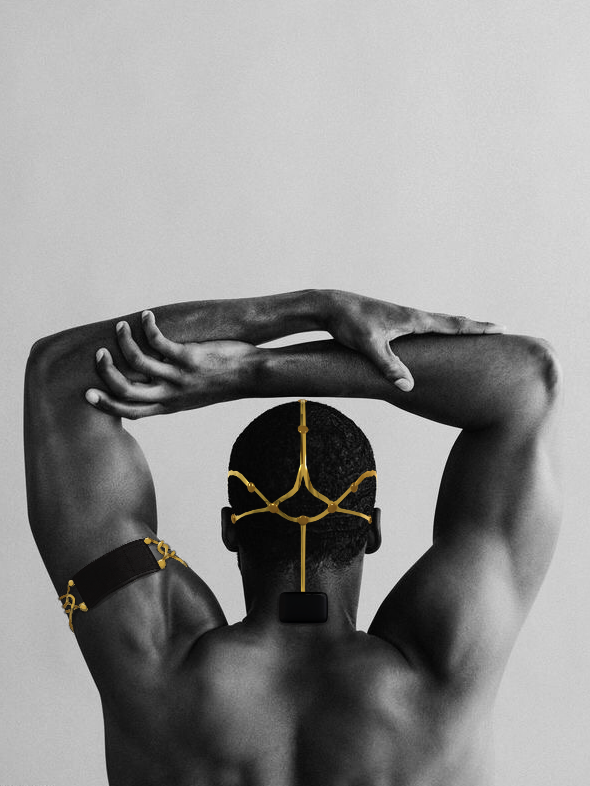
Epilepsense focuses on supporting people with epilepsy in managing everyday life more safely and independently. The concept uses EEG technology to detect early signs of seizures and send an immediate warning to the user’s smartphone. It consists of a lightweight head mesh with integrated electrodes that measure brain activity, paired with a bracelet that tracks vital signs and includes a medication pump. By recognizing critical patterns in advance, Epilepsense allows users to prepare for an impending episode, alert nearby individuals, and ideally prevent the seizure altogether. Designed for comfort, durability, and discreet integration, it fits naturally into diverse clothing styles and daily routines.

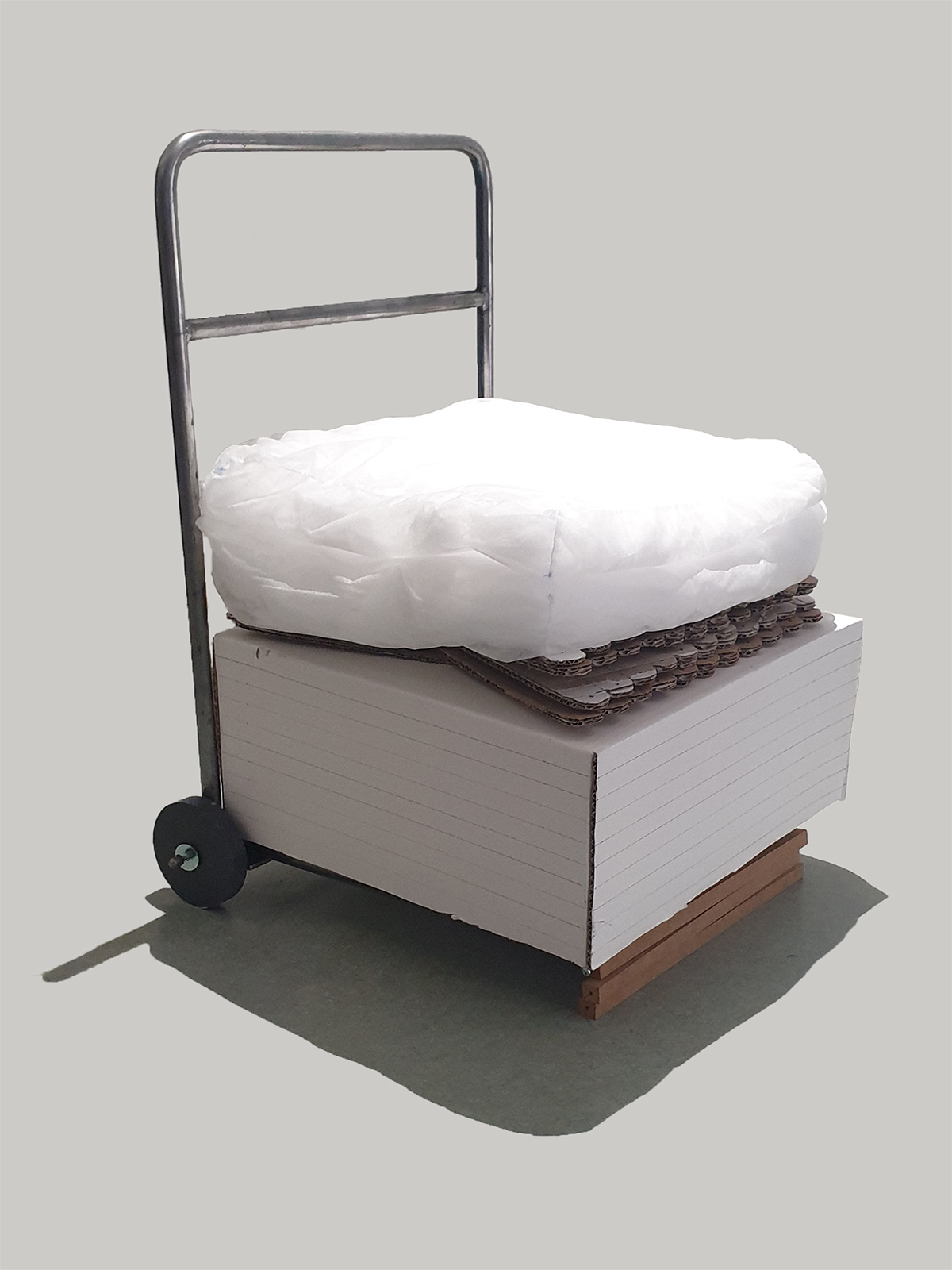
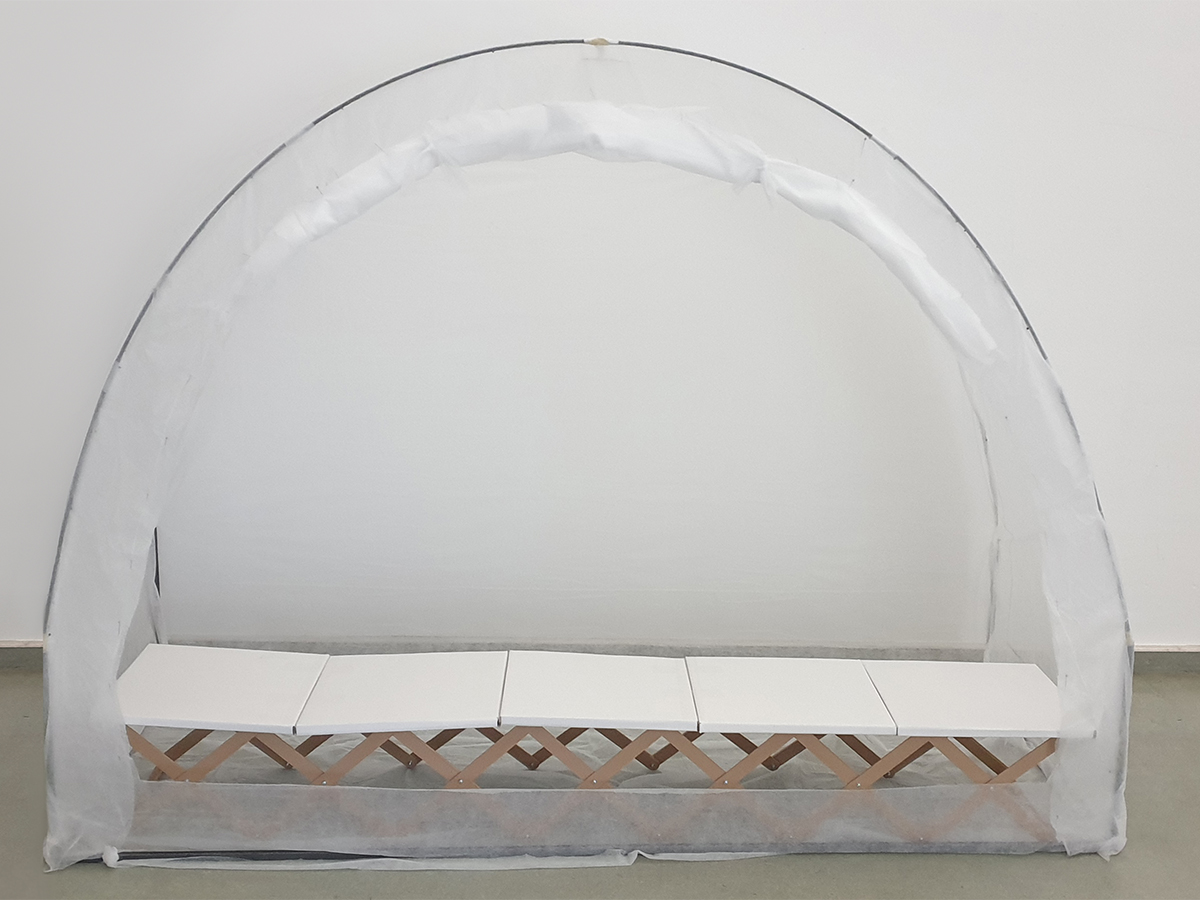
The rising cost of housing and the growing number of people without secure shelter demand new approaches to dignified, adaptable accommodation. LOUNGE IN A BOX proposes a versatile trolley that unfolds into a compact bed and a weather-protected tent with two entrances. Lightweight construction and a durable structure allow for quick relocation and long-term use, while the setup can be completed within minutes. The trolley remains easy to transport without compromising protection, privacy, or personal dignity. 

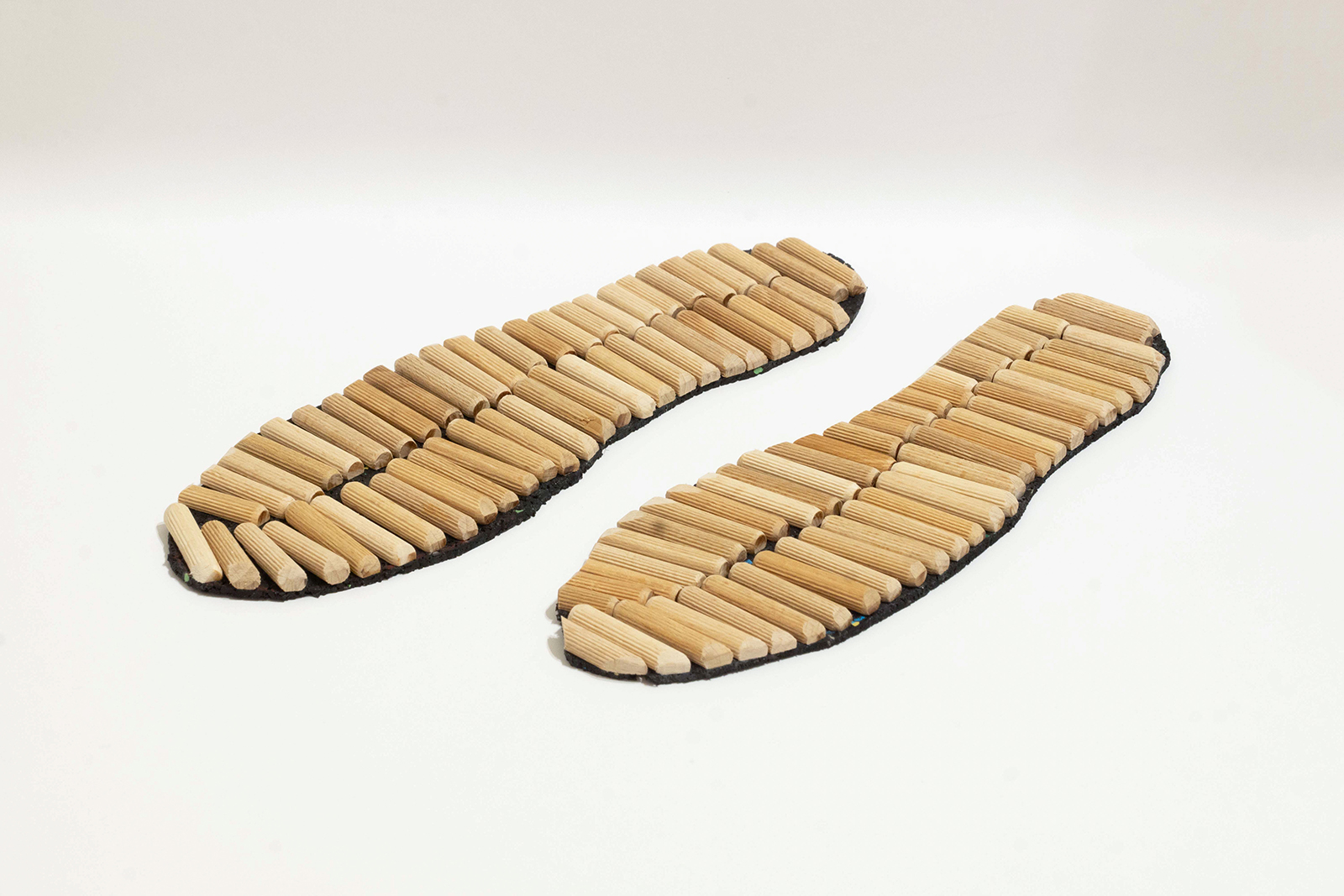
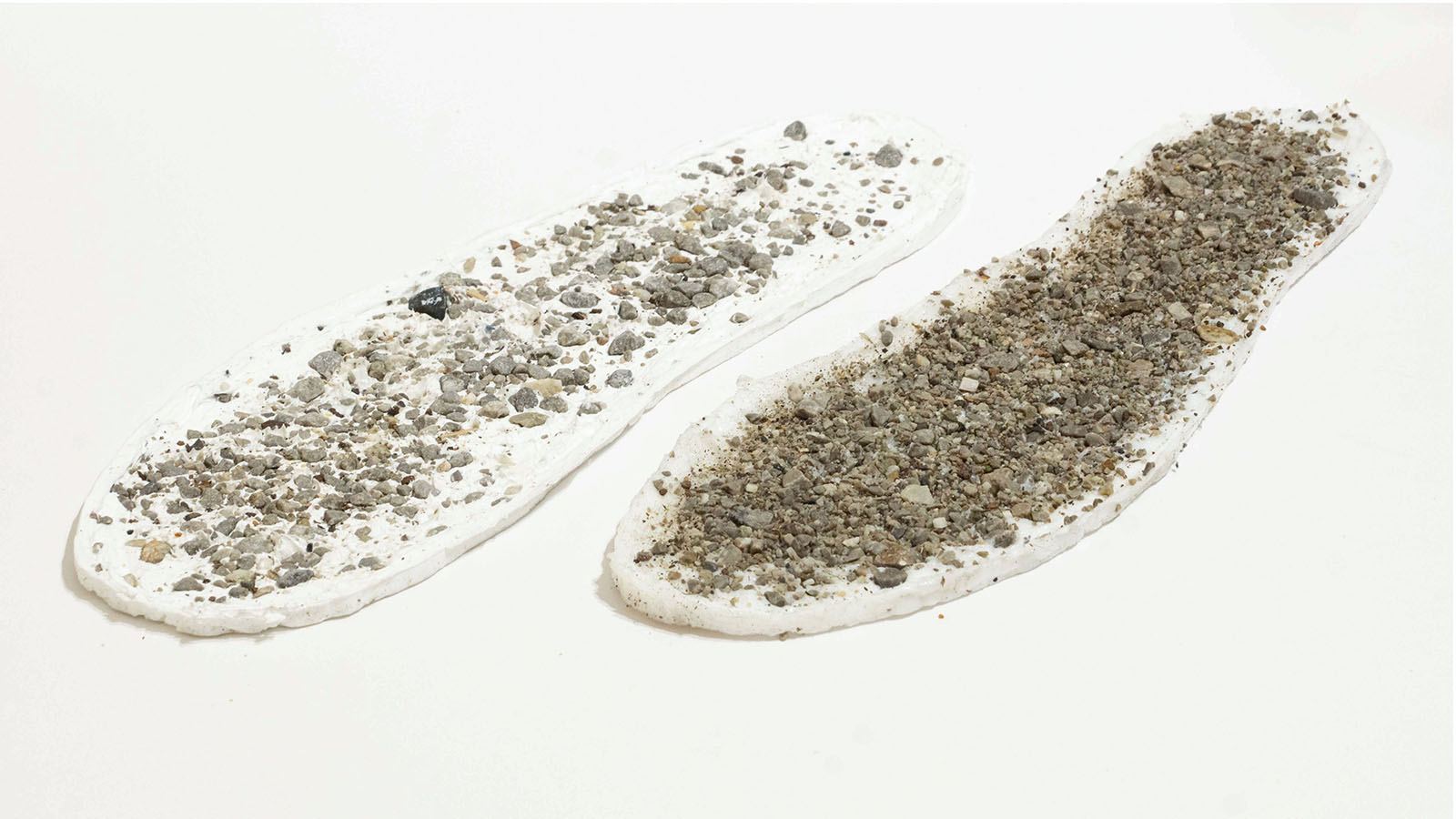
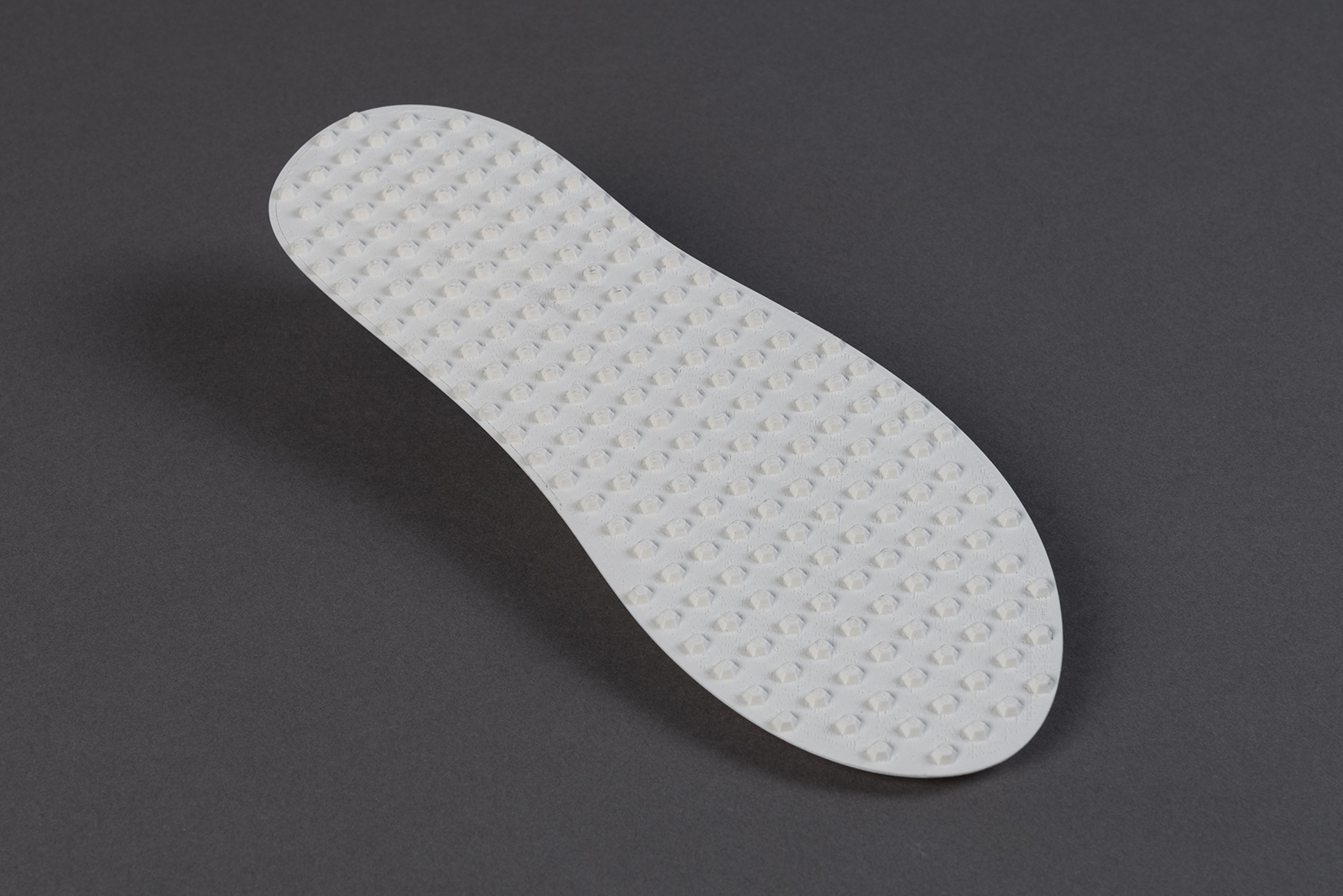
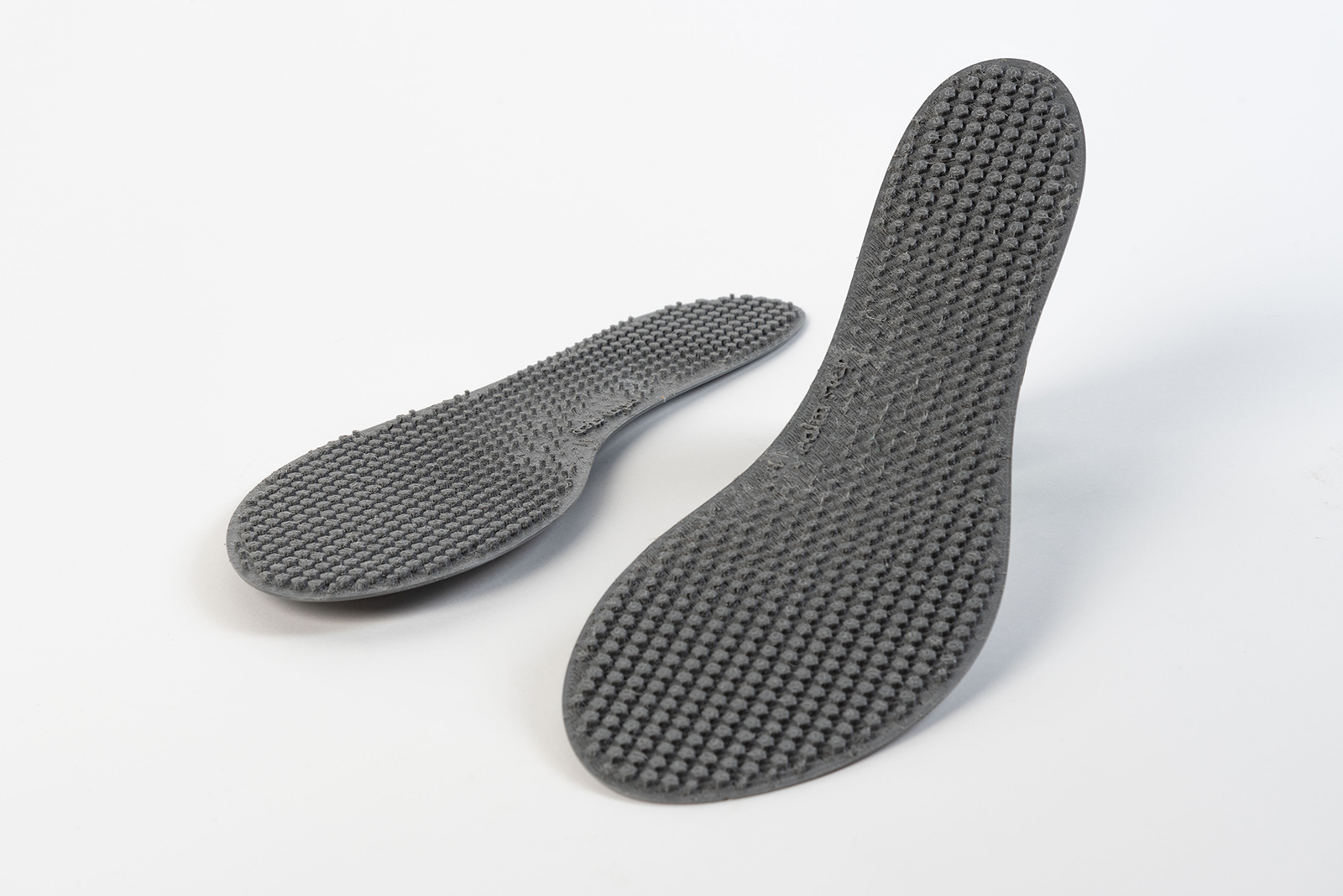
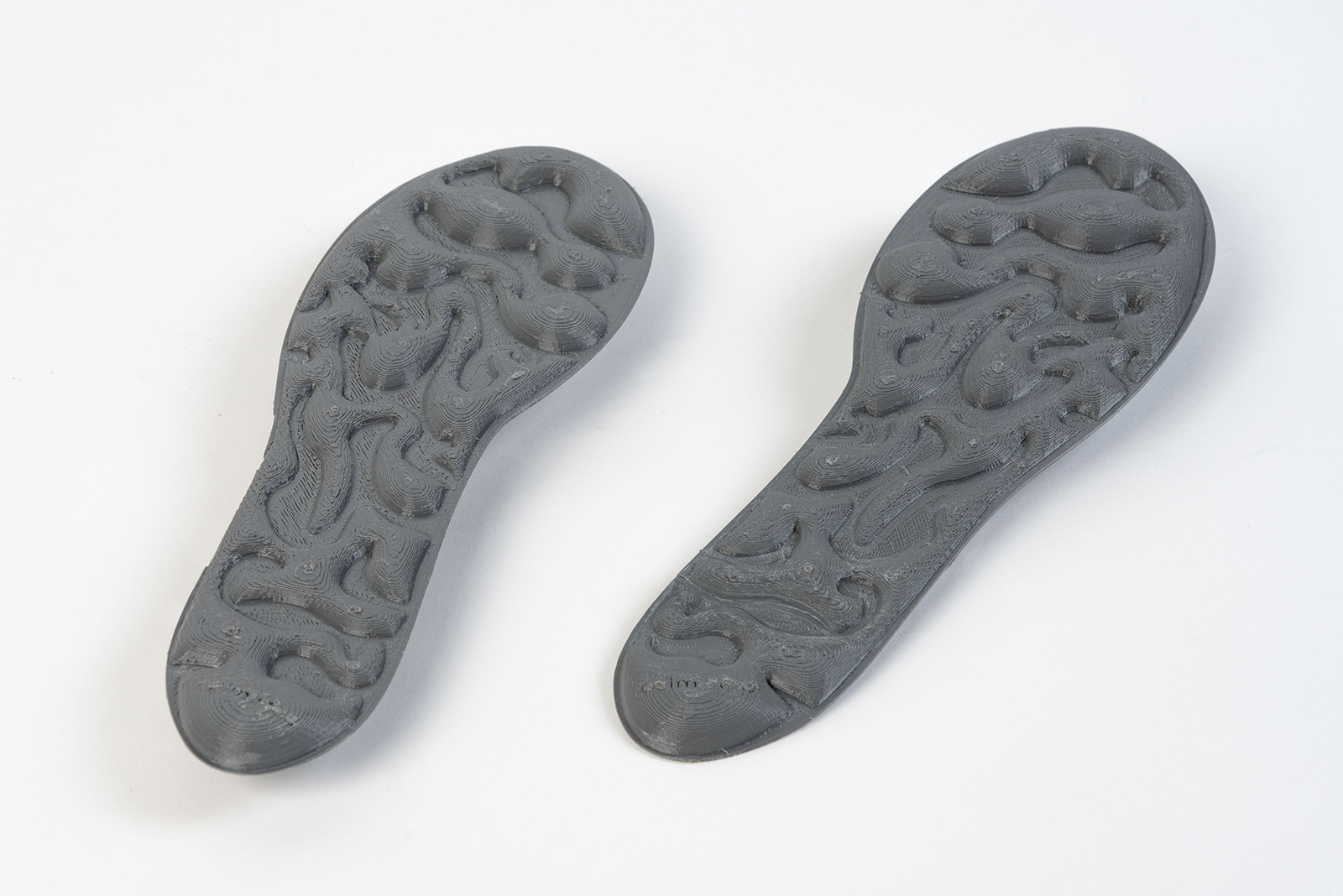
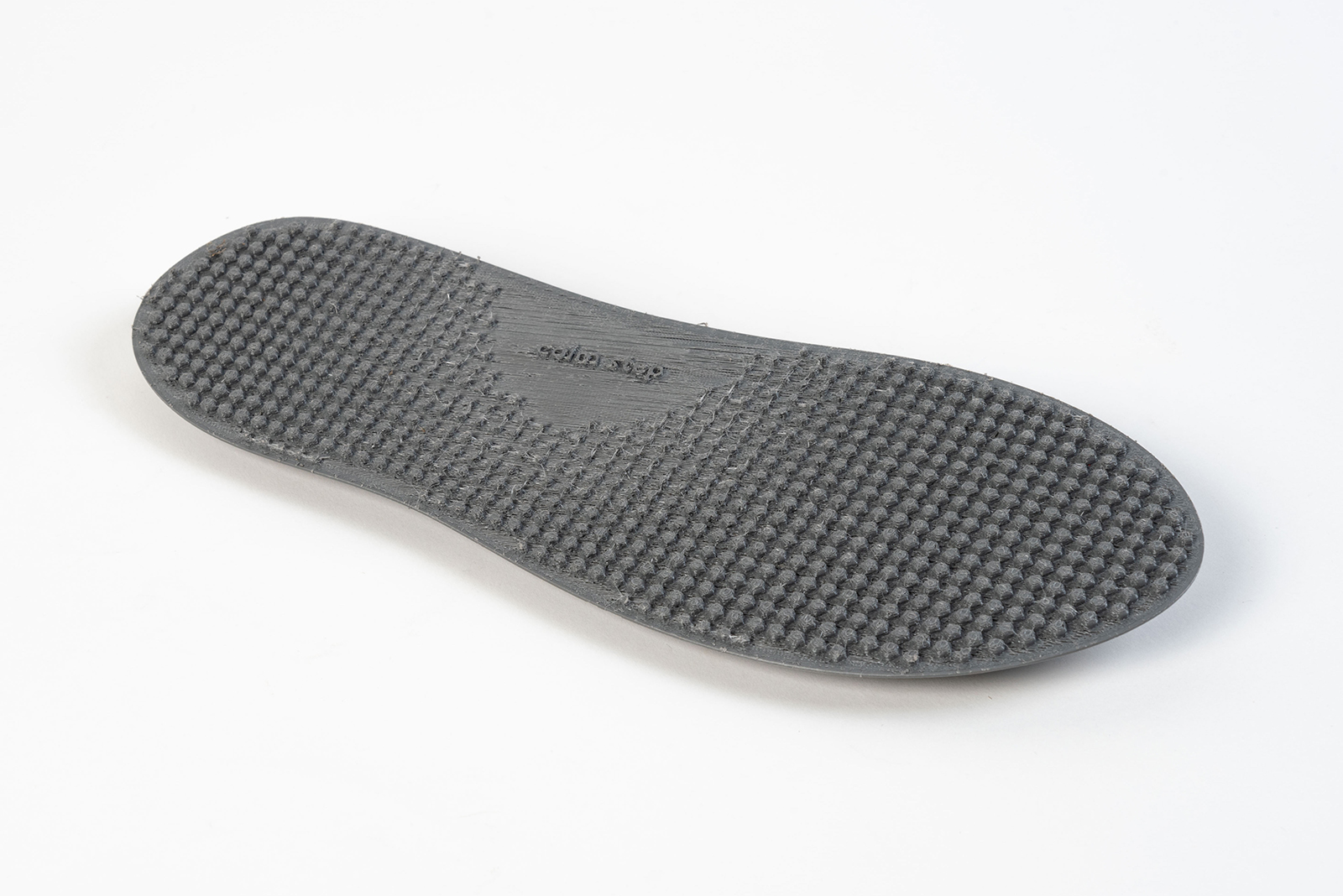
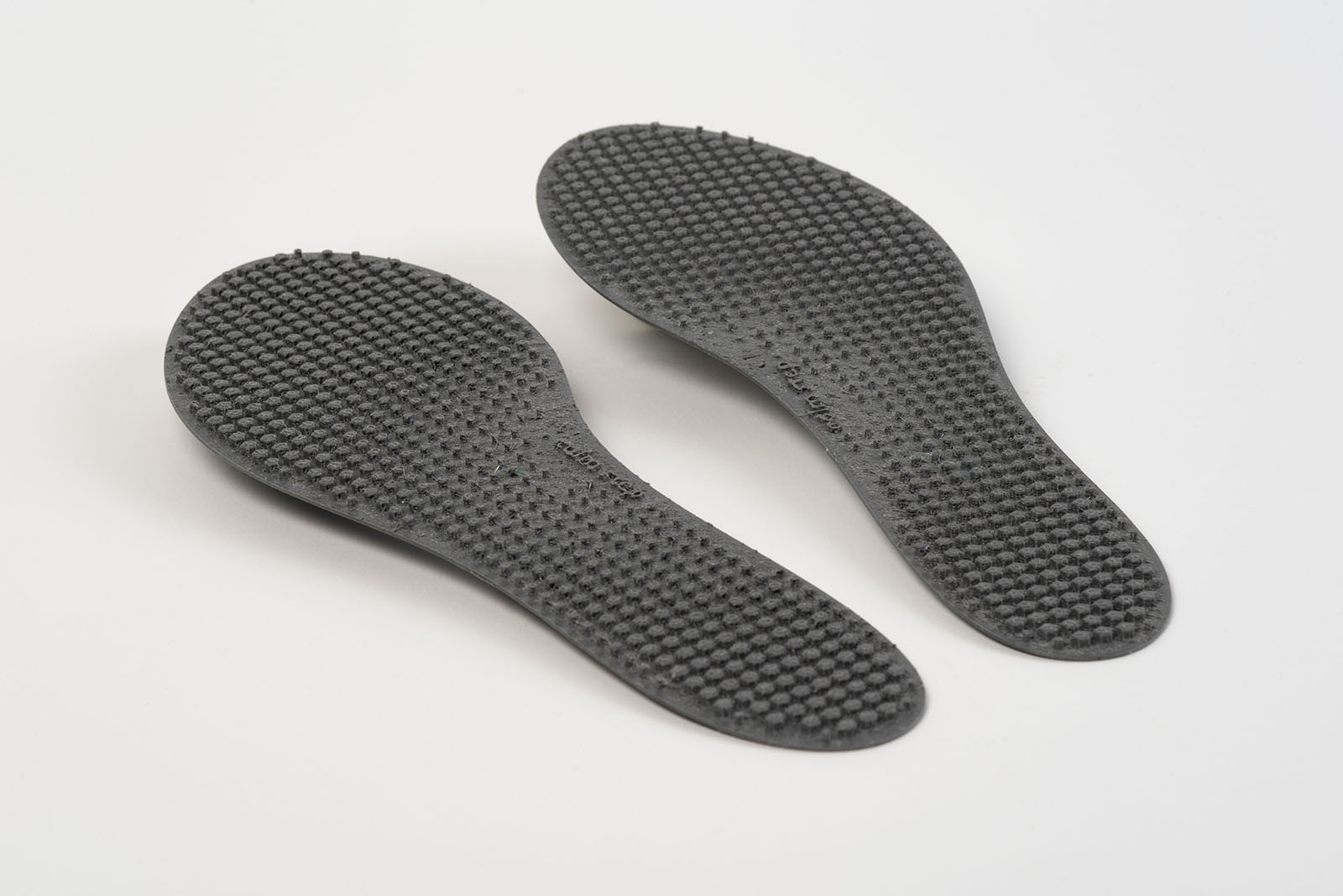
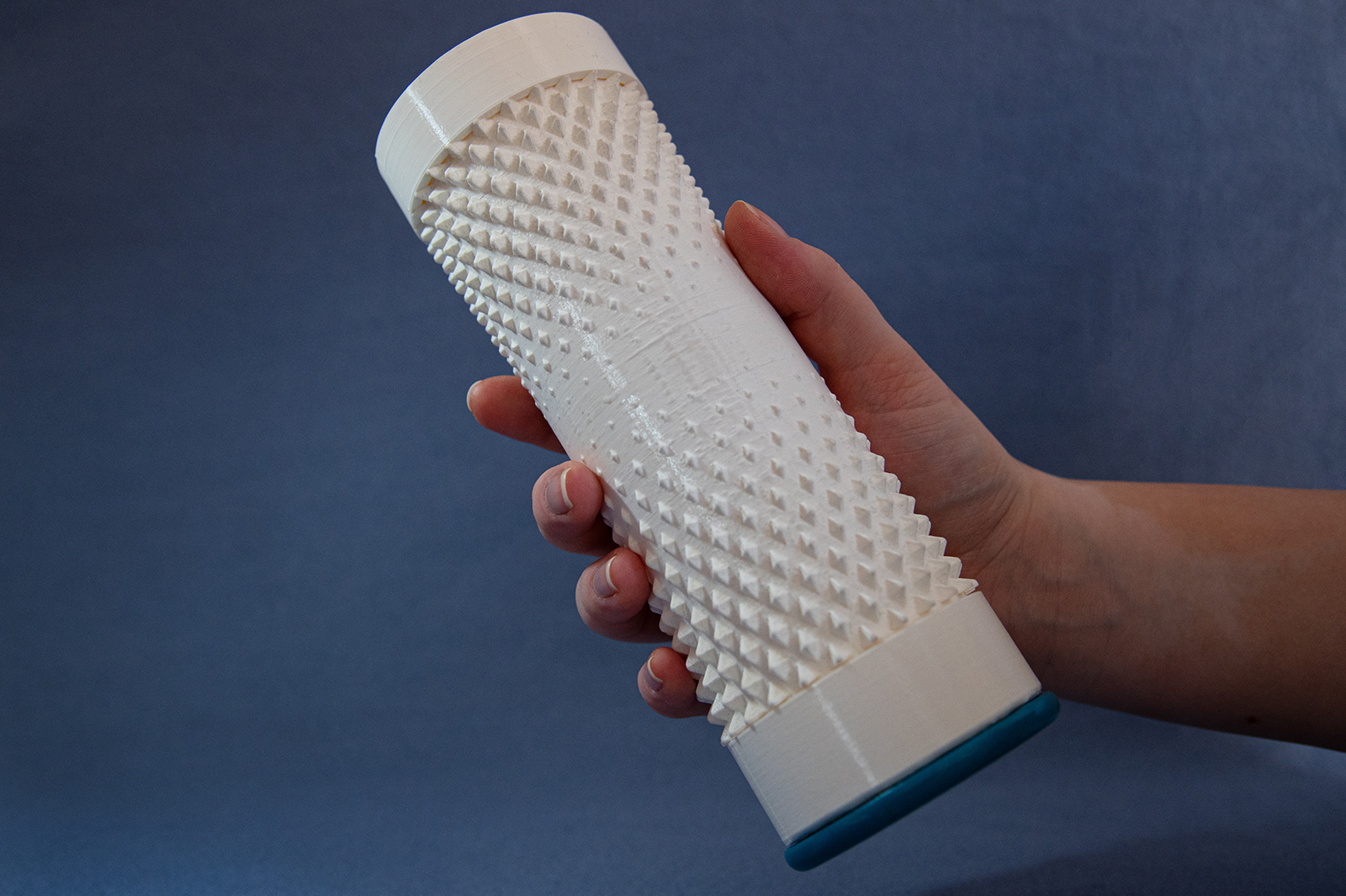
CALM STEP examines mobility as both a physical act and a mental state, exploring how walking can offer moments of grounding in an overstimulated world. The concept centers on an insole that brings natural textures closer to the bare foot, creating subtle sensory encounters that support presence and calm. Initial experiments informed a series of 3D-printed textures that translate these tactile qualities into a modular system. The final design combines a structured base with a soft inflatable layer that activates through walking, forming a shifting landscape of sensations that encourages renewed awareness of the body and its movement.

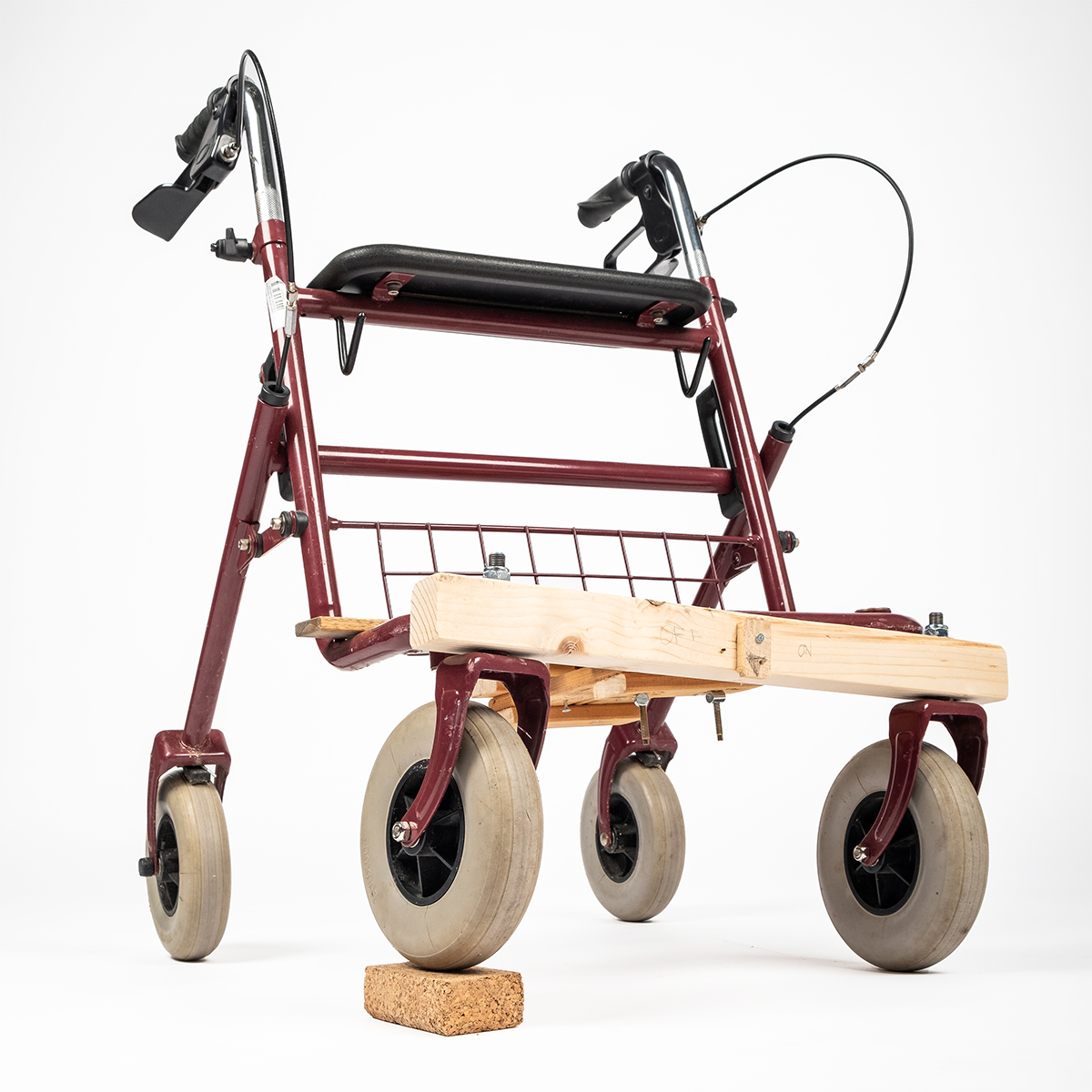
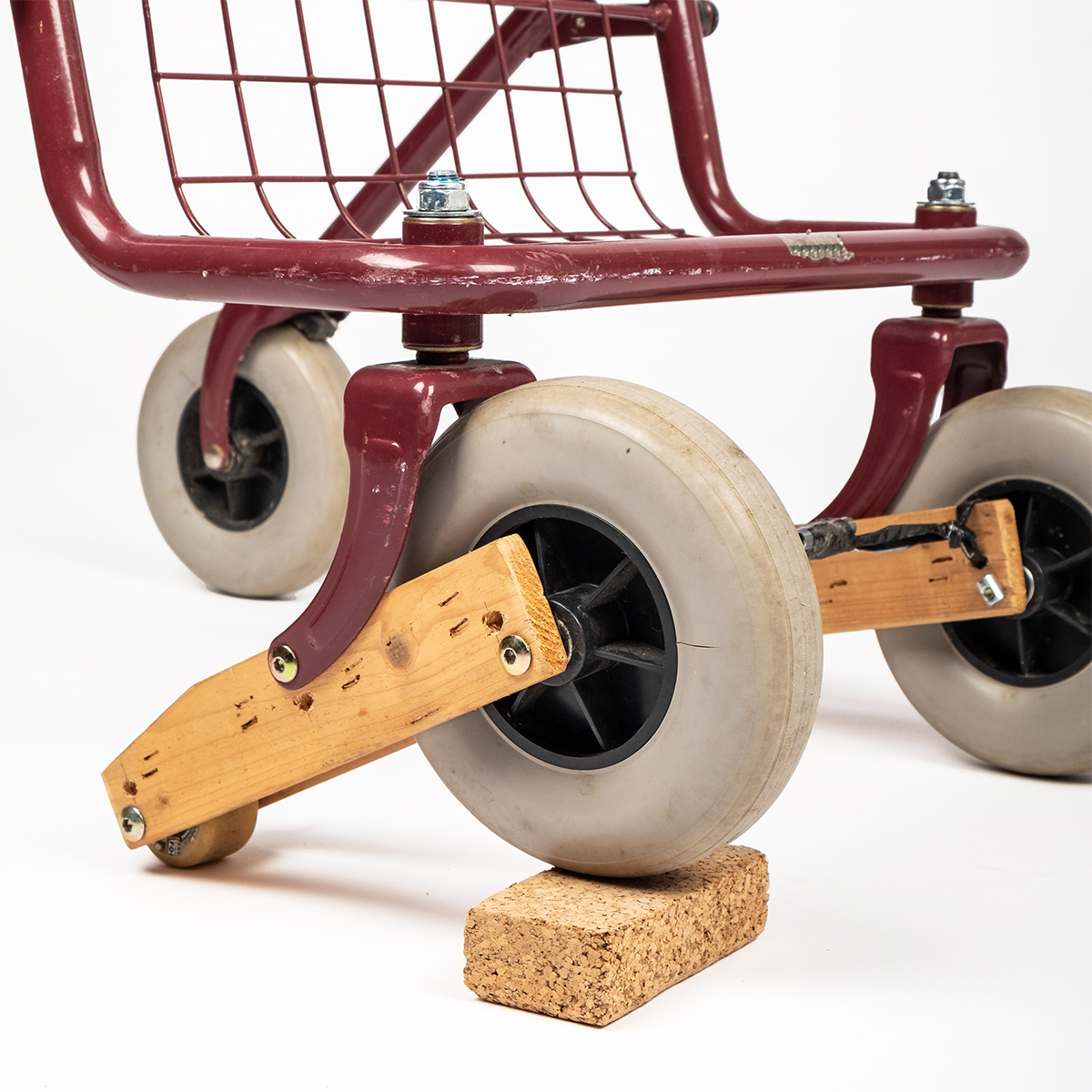
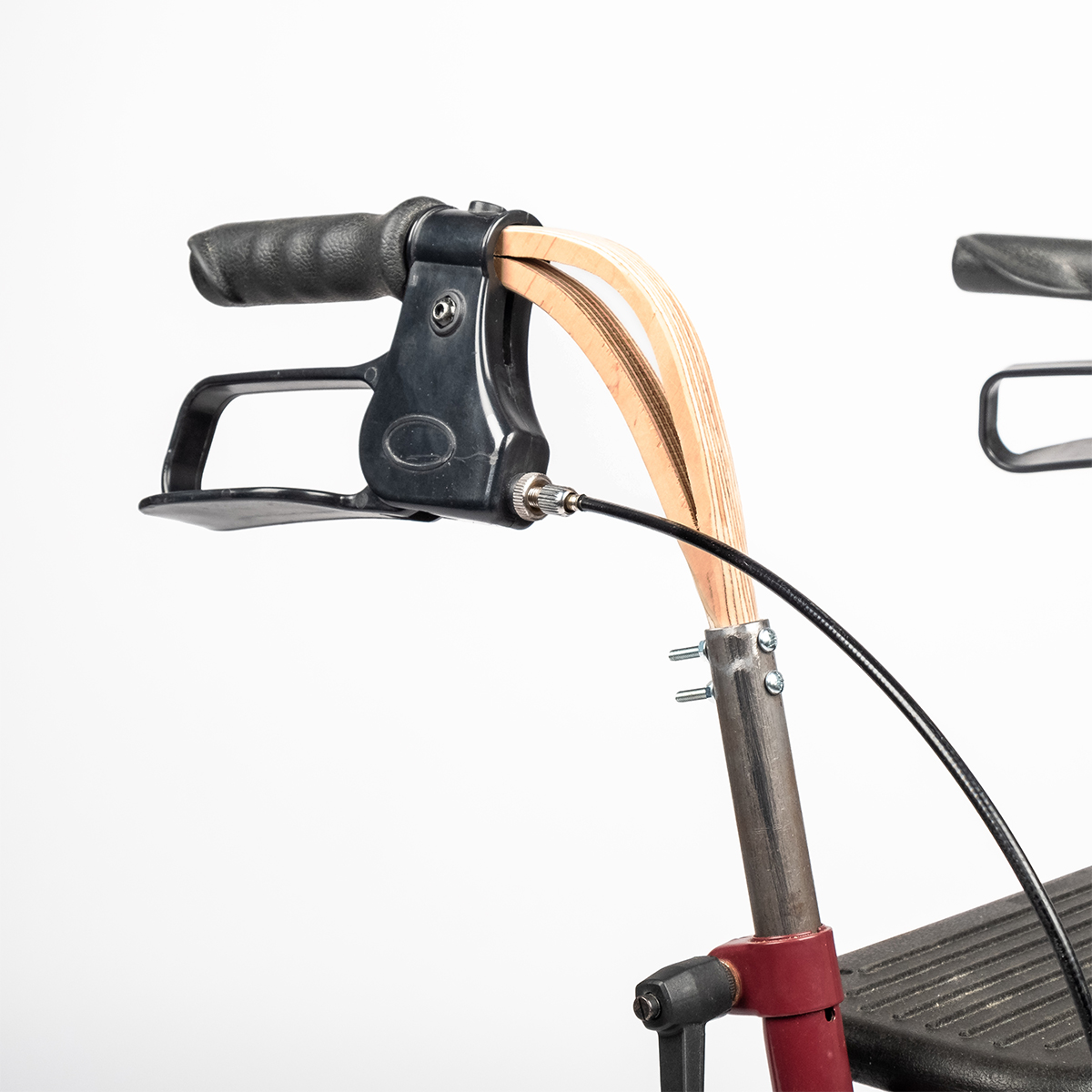
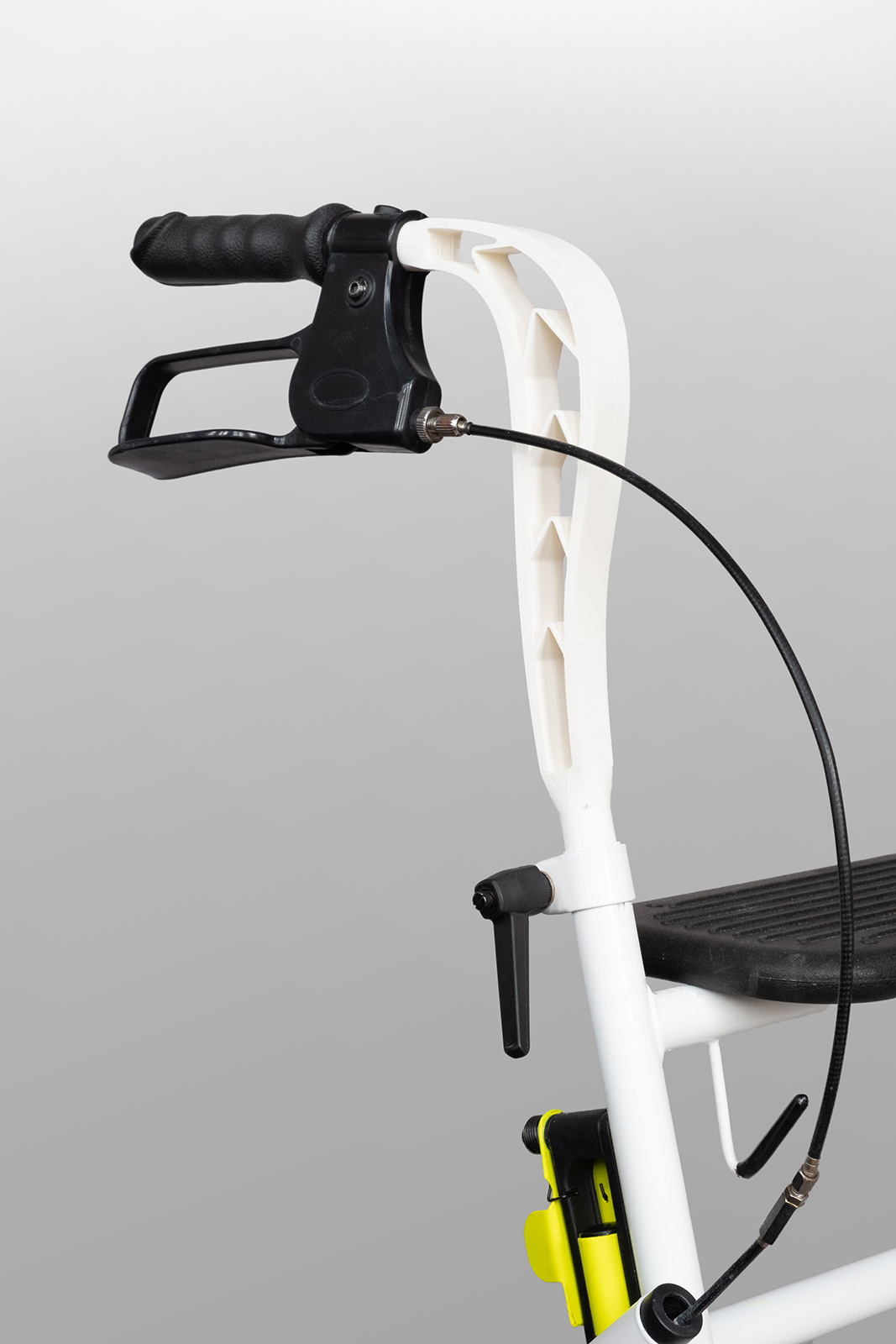
Many people rely on rollators in their everyday lives, yet standard models are difficult to use on uneven ground and affordable alternatives are rare. Masto introduces an accessible upgrade for widely used basic rollators, enabling safer and more comfortable mobility on rough terrain. Uneven surfaces such as cobblestones often limit older adults’ independence, although regular movement is essential for maintaining physical and mental wellbeing. Masto addresses this by adding vibration-damping handles that reduce strain on joints and absorb shocks before they reach the user. The project explores multiple form studies and material configurations, leading to a lightweight, ergonomic structure that can be mounted and removed without altering the rollator itself. This ensures that rental devices can be returned to their original state and remain in circulation. Beyond function, Masto aims to shift the perception of rollators—from stigmatized medical aids to empowering tools that support autonomy and resilience in everyday movement.

Institute
Dessau Department of Design

Students
Leo Altmann, Philippe Wassenberg, Angelicka Barbie, Sarah Eckerlein, David Junghanns, Hendrik Quastenberg, Helena Luise Kluge, Joan Leonie Prange, Maria Vacca Acero, Christine Bernauer, Tabea Bommer, Tini Domel, Nicole Grimm, Janne Kreimer, Megi Loci, Carlos Pozo, Sofia Stateczny, Sara Suchantke

Supervision
Prof. Dr. Manuel Kretzer
Prof. Nicolai Neubert


Privacy Settings
We use cookies to enhance your experience while using our website. If you are using our Services via a browser you can restrict, block or remove cookies through your web browser settings. We also use content and scripts from third parties that may use tracking technologies. You can selectively provide your consent below to allow such third party embeds. For complete information about the cookies we use, data we collect and how we process them, please check our Privacy Policy
Youtube
Consent to display content from - Youtube
Vimeo
Consent to display content from - Vimeo
Google Maps
Consent to display content from - Google

info(at)materiability.com